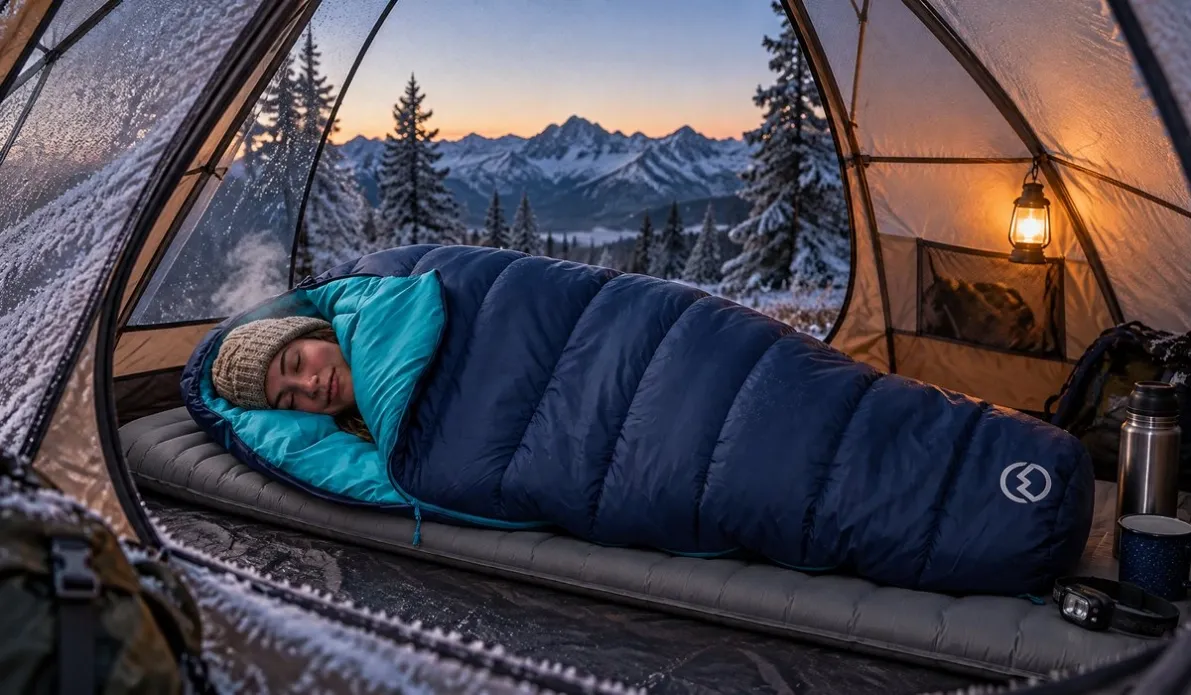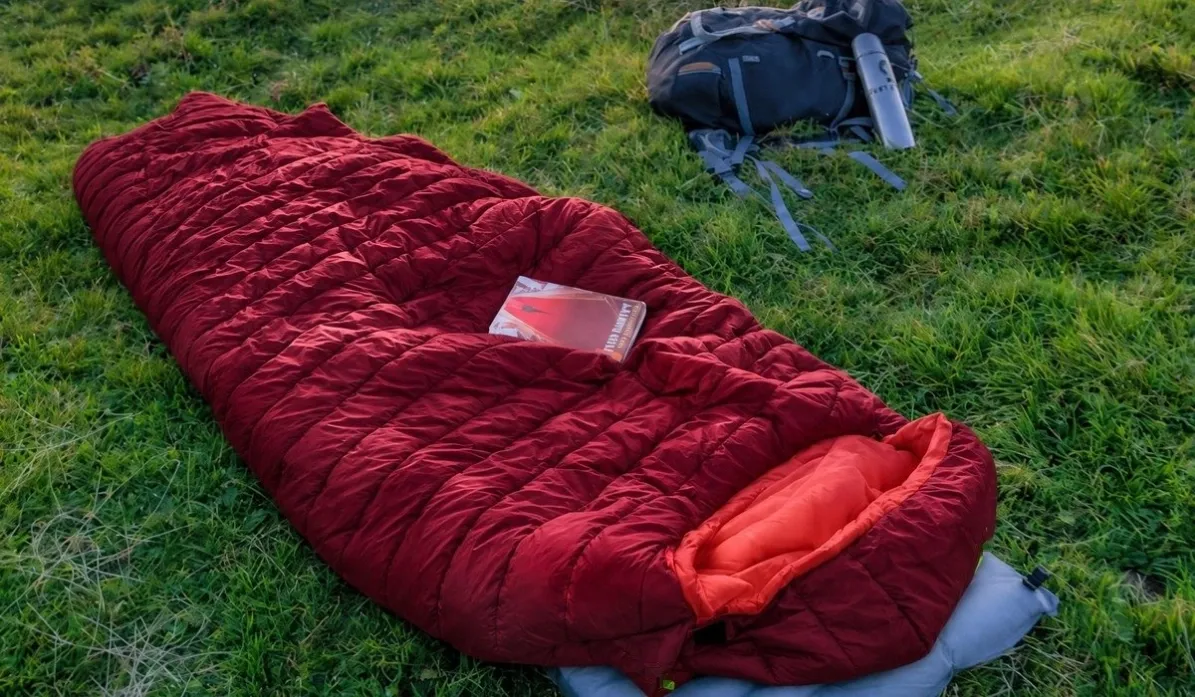
SL107 vs SL108 vs SL109: How to Choose the Right Mummy Sleeping Bag for Your Customers
Short answer: all three are mummy sleeping bags, but they are built for different buyers. SL107 is the economical, roomy option for relief and large-volume orders; SL108 is the lightweight option for buyers who sell on weight and pack size; and SL109 is the premium down option for buyers who sell on warmth-to-weight and a higher retail price. Choose by who your customer is and what they will pay for — not by which bag looks best on a shelf.
The quick verdict — who each model is for
If you only remember one line per model, remember these:
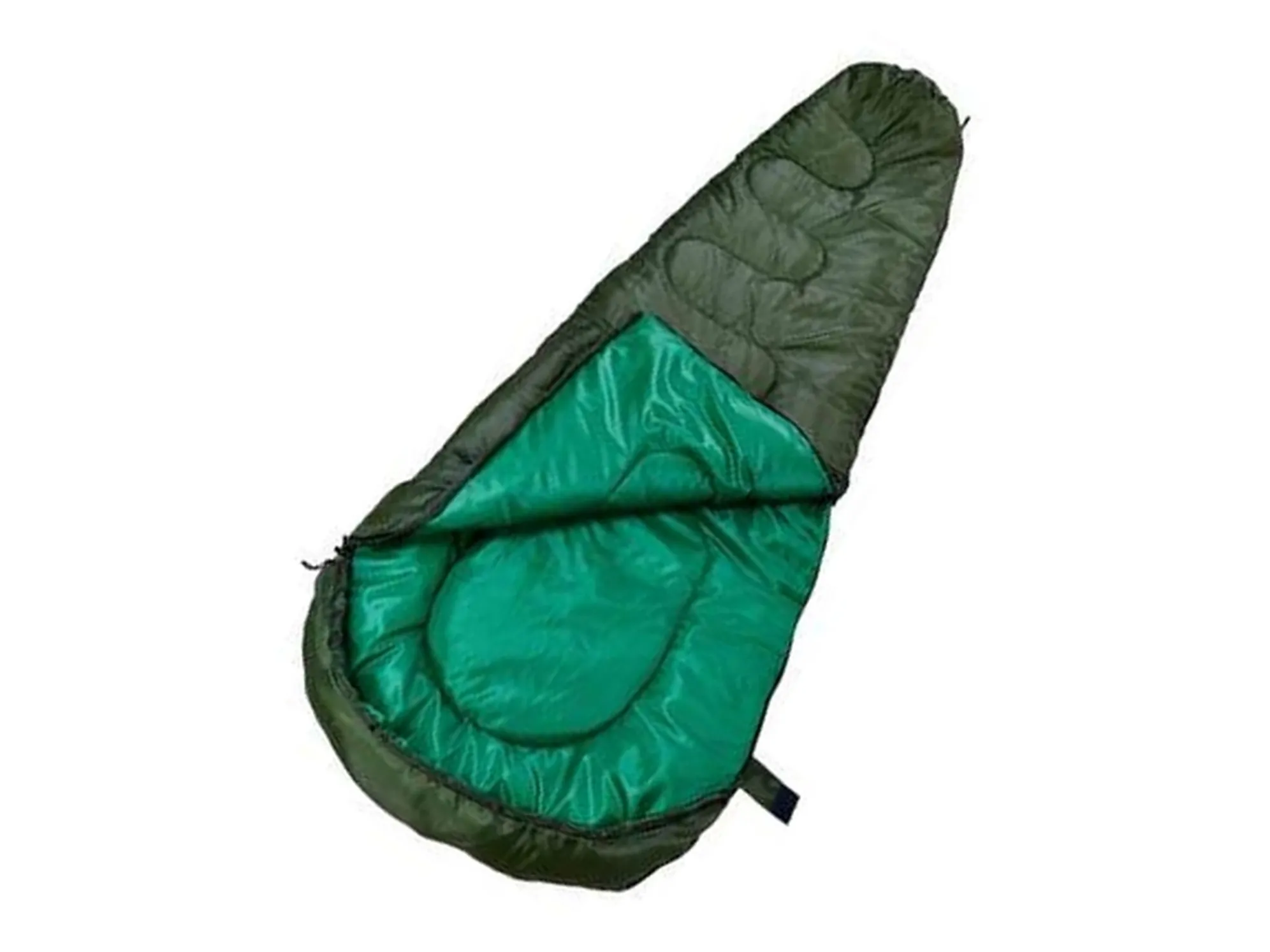
- SL107 — the economical workhorse. At 220×80×55 cm and 1,300 g, it is the longest and roomiest of the three, with a 170T polyester shell and lining and 300 g/m² hollow cotton filling. It is listed in our range as an emergency relief, economical model — the one to offer when a buyer needs a dependable mummy bag in volume at a moderate price, and when weight is not the deciding factor.
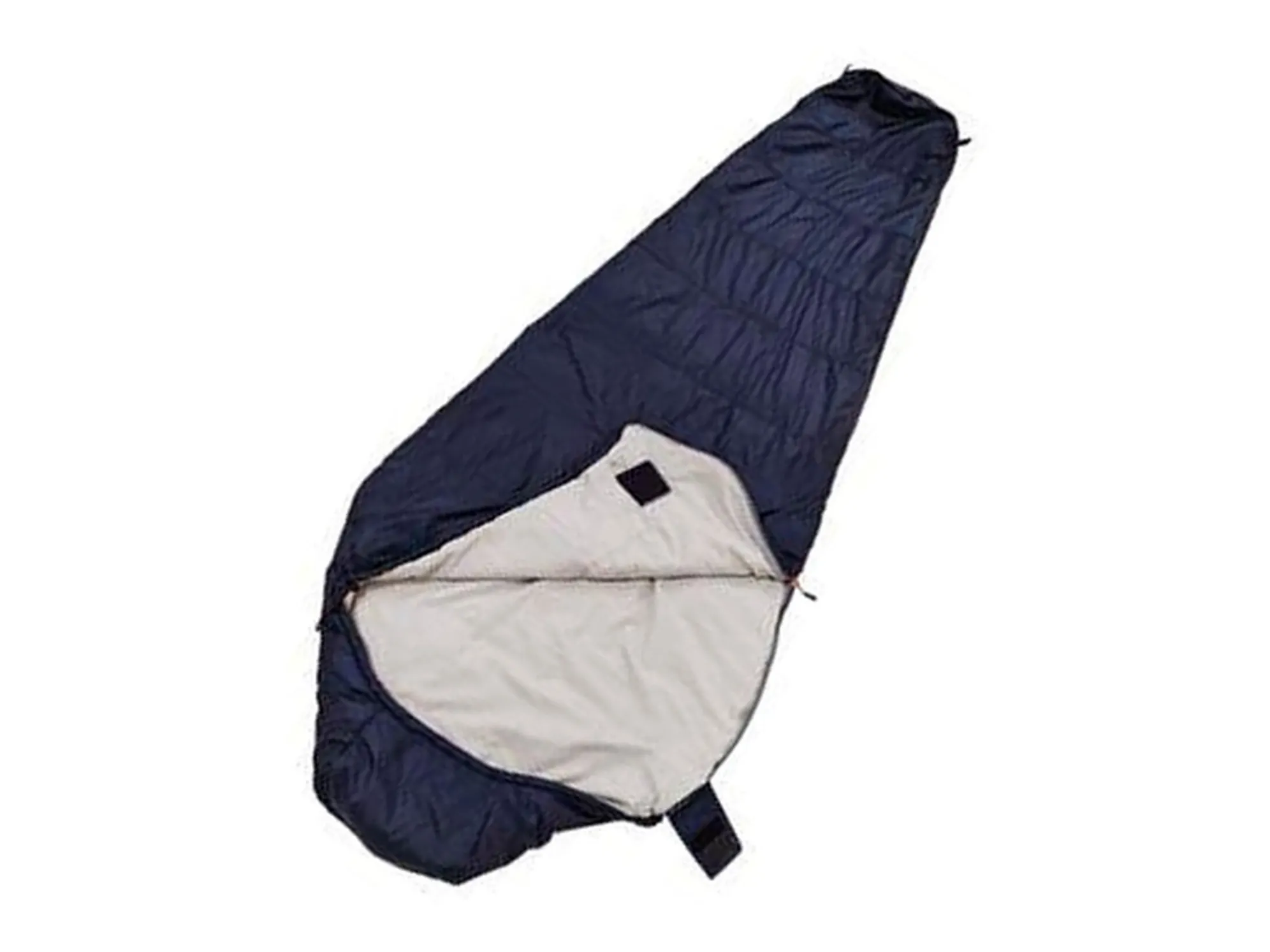
- SL108 — the lightweight option. At (185+30)×84×61 cm and only 840 g, it is the lightest of the three by a clear margin. Its shell is 380T nylon grid, waterproof and calendered, with a washed cotton lining and 100 g/m² silk cotton filling. Offer it when your customer counts grams — hikers, backpackers and buyers who advertise pack weight.
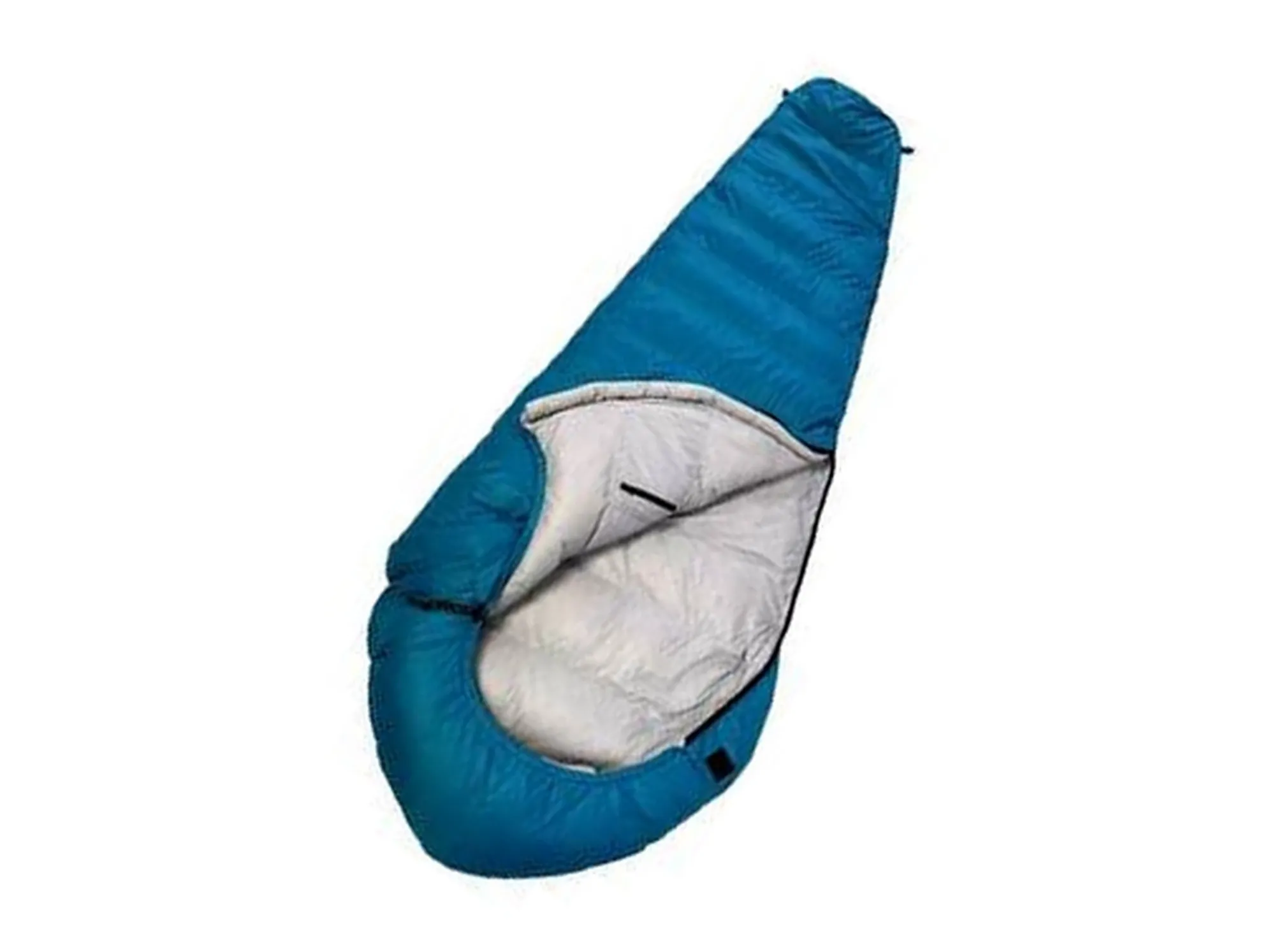
- SL109 — the premium down bag. At 215×75×50 cm and 1,150 g, it carries 650 g per piece of 90/10 grey duck down, with a 380T grid nylon shell and lining, both waterproof and down-proof. Offer it when your customer is buying warmth-to-weight and is ready to pay more for down — the top end of a retail mummy range.
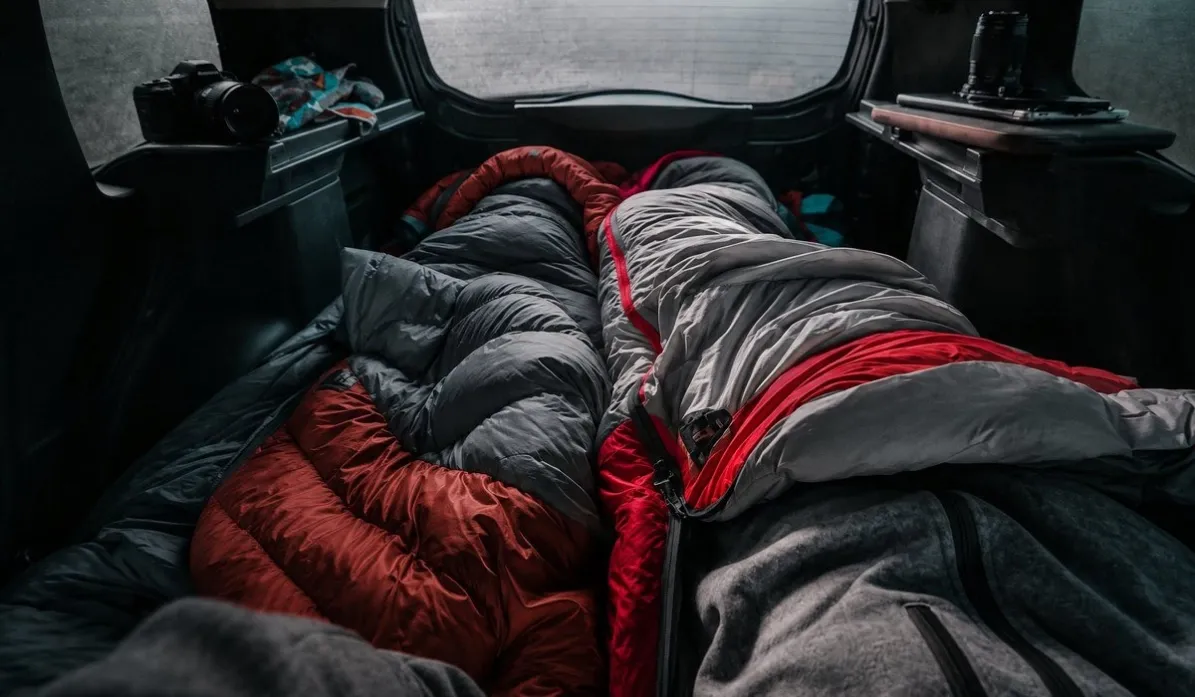
The shape is the same across all three — a mummy cut that tapers toward the feet and keeps the sleeper close to the bag, so less body heat is lost to empty space. What changes is the filling, the fabric and the weight, and those three things decide the price tier and the end user. Browse the full mummy sleeping bag range.
Filling and shell — where the real difference sits
The filling is the first thing to compare, because it decides warmth, weight, care and price.
| Model | Size | Weight | Shell | Lining | Filling |
|---|---|---|---|---|---|
| SL107 | 220×80×55 cm | 1,300 g | 170T polyester, waterproof | 170T polyester | 300 g/m² hollow cotton |
| SL108 | (185+30)×84×61 cm | 840 g | 380T nylon grid, waterproof, calendered | Washed cotton | 100 g/m² silk cotton |
| SL109 | 215×75×50 cm | 1,150 g | 380T grid nylon, waterproof and down-proof | 380T nylon, down-proof | 650 g/piece 90/10 grey duck down |
SL107 — hollow cotton, the practical choice. Hollow cotton is a synthetic filling: it keeps its loft when damp better than down, it is easier to wash and dry, and it costs less. At 300 g/m² it is the heaviest filling of the three, which is why SL107 weighs 1,300 g. That trade-off is the point: for relief orders, institutional buyers and budget retail lines, easy care and a moderate price matter more than shaving grams.
SL108 — silk cotton, the light choice. Silk cotton is also a synthetic filling, but at only 100 g/m² it is a much lighter layer, which is how SL108 comes in at 840 g — the lightest bag in this comparison. Its 380T nylon grid shell is a finer, denser fabric than SL107's 170T polyester, and the washed cotton lining gives a softer feel against the skin. This is the bag for a buyer whose customers walk with everything on their back: the selling point is the weight on the label, and the trade-off is a thinner filling, so it suits milder conditions and buyers who layer clothing inside the bag.
SL109 — duck down, the premium choice. Down is the warmest filling for its weight, and SL109 is the only down bag of the three: 650 g of 90/10 grey duck down. That is why it weighs only 1,150 g despite being a full-size, genuinely warm bag. Down needs a down-proof shell and lining — both are 380T nylon here — so the fine down does not leak through the fabric. If you are choosing between down and synthetic for your line in general, see our guide to down or synthetic filling.
One honest note: these three models do not carry a temperature rating in our catalogue, so this article does not quote one for them. Do not compare them on a temperature number you have seen elsewhere — compare them on filling, fabric and weight, and confirm the warmth you need with a sample. Samples are ready in 7 days. All of our sleeping bags are tested to EN ISO 23537-1:2022.
Size, weight and what to put on the shelf label
Size and weight are the two numbers your retail customers actually check, so put them on the label and get them right.
- Length: SL107 is the longest at 220 cm, SL109 is 215 cm, and SL108 is 185 cm plus a 30 cm hood section. If your market sells to taller customers, SL107 gives the most room; if your customers are average height, all three fit, and the choice goes back to filling and weight.
- Width: SL108 is the widest at 84 cm, SL107 is 80 cm and SL109 is 75 cm. A wider bag feels less restrictive, which matters for customers who move in their sleep — but a narrower bag is warmer for its weight, because there is less air for the body to heat. SL109's 75 cm width is part of why it performs well for its weight.
- Weight: SL108 at 840 g, SL109 at 1,150 g, SL107 at 1,300 g. The gap between SL108 and SL107 is 460 g — nearly half a kilo — and that is a number a hiker feels in a pack. For a relief or family-camping buyer, 460 g matters far less than price and durability.
How to stock them: do not stock all three for the same customer. Stock SL107 where price and volume lead, SL108 where weight leads, and SL109 where performance and a higher retail price lead. If you can only carry one mummy bag, pick the one that matches your best-selling price tier, and let the other two wait for a customer who asks for them by name. For the general principles of sizing, see our guide to how to choose a sleeping bag size.
FAQ
Which of SL107, SL108 and SL109 is the warmest?
On filling alone, SL109 is the premium warmth option: 650 g of 90/10 grey duck down is the warmest filling for its weight of the three. SL107 has the heaviest synthetic filling (300 g/m² hollow cotton) and SL108 the lightest (100 g/m² silk cotton). These models do not carry a temperature rating in our catalogue, so confirm the warmth you need with a sample before ordering.
Which one is best for backpackers and hikers?
SL108, at 840 g, is the lightest by a clear margin, and its 380T nylon grid shell is built for pack use. It is the one to offer when weight is the deciding factor. SL109 is the choice when the hiker wants down performance and will pay for it; SL107 is too heavy to lead with for this customer.
Which one should I choose for a budget or high-volume order?
SL107. It is the economical model in this comparison — 170T polyester shell and lining with hollow cotton filling — and the most practical where price, easy care and volume matter more than low weight, such as relief orders and budget retail lines.
Can we get these models with our own logo and colours?
Yes — custom logo, colours and packaging are available on all three models, just as on our other ranges. Tell us the model and your market, and contact us for a quotation. We recommend confirming the size, filling and feel with a sample first — samples are ready in 7 days.
How is quality checked on these bags?
Every sleeping bag we supply is tested to EN ISO 23537-1:2022, and bulk orders are checked by our long-term third-party QC partner. Bulk lead time is 45–50 days.
Do not choose a mummy bag by its photo — choose it by your customer's priority: SL107 for price and volume, SL108 for light weight, SL109 for down performance. Pick the one that matches your best-selling price tier, check the sample, then build the range around it. Browse the mummy sleeping bag range, or contact us with your target market and price tier and we will recommend a model and send you a quotation.