Kids' Sleeping Bags: How Retail Buyers Can Choose Safe Sizes for Young Campers
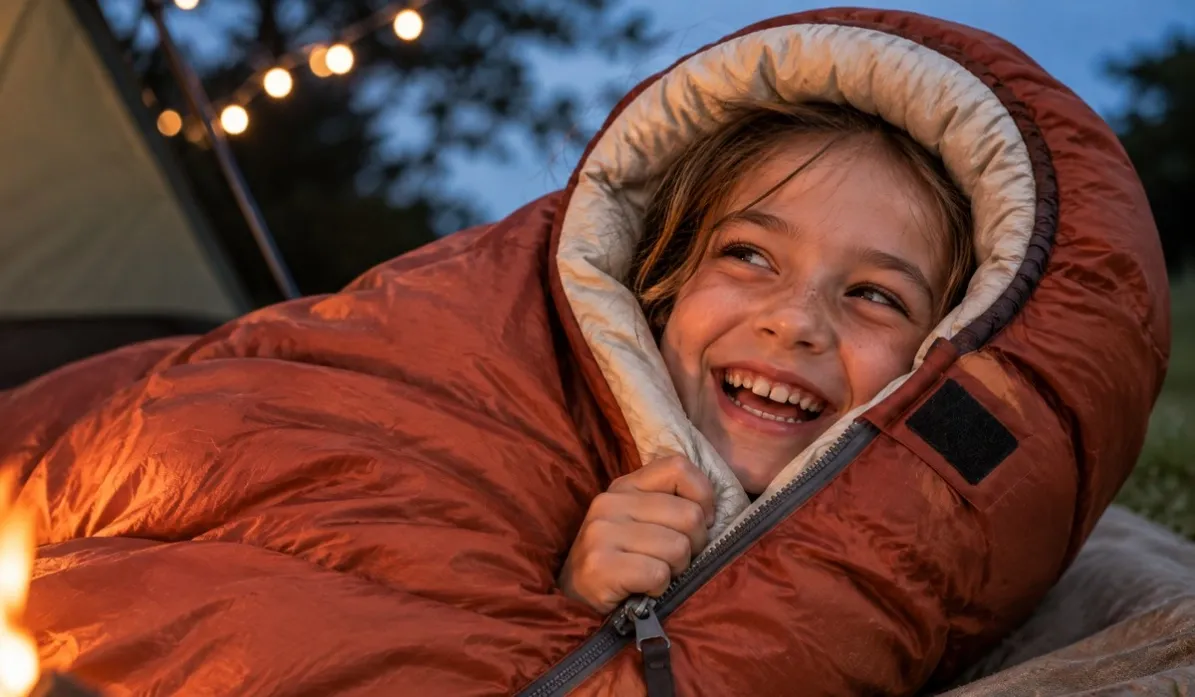
Short answer: a kids’ sleeping bag is not a small adult bag — the size has to match the child’s height, or the child slides down inside a bag that is too long and sleeps cold in the empty space, or feels cramped in one that is too short. For retail buyers, the safe rule is simple: stock three sizes that cover infants, small children and older children, check the temperature rating the same way you would for an adult bag, and choose a soft lining — children notice scratchy fabric far more than adults do. This guide uses real models from our kids’ range so you can see exactly what each size is for.
Size first — match the bag to the child’s height
The most common mistake in kids’ sleeping bags is buying one size for every child. A bag that is far too long leaves a pocket of cold air around the child’s feet, and the child can slip down inside it during the night. A bag that is too short leaves the child cramped, with the zip pulling and the shoulders exposed. Neither is comfortable, and neither sells twice.
Our kids’ range is built around three heights:
- KSL04 — infant size, 75×45 cm, 640 g. The smallest bag in our range, for babies and toddlers. The shell is a cationic blend with a waterproof coating, and the lining is 260 g/m² coral velvet — soft against a baby’s skin — with 350 g/m² polyester filling.
- KSL03 — small child, 100×48 cm, 740 g. For younger children. The shell is chiffon / 190T polyester, waterproof, and the lining is the same 260 g/m² coral velvet as KSL04, with 350 g/m² polyester filling. Temperature rating 25 / 20 / 15 °C (Comfort / Limit / Extreme), so it suits mild weather and indoor use.
- KSL02 — older child, (140+30)×70 cm, 1,200 g. The 140 cm body plus a 30 cm hood section makes this the bag for older children who are close to adult height but still need a narrower, lighter bag. Shell and lining are polycotton with a hollow cotton filling — softer and more natural-feeling than pure polyester. Temperature rating 20 / 15 / 10 °C.
A fourth model, KSL01, covers the same older-child size — (140+30)×70 cm, 900 g — in a lighter 83 g/m² brushed printed fabric with 150 g/m² polyester filling, for buyers who want a lighter warm-weather option in this size.
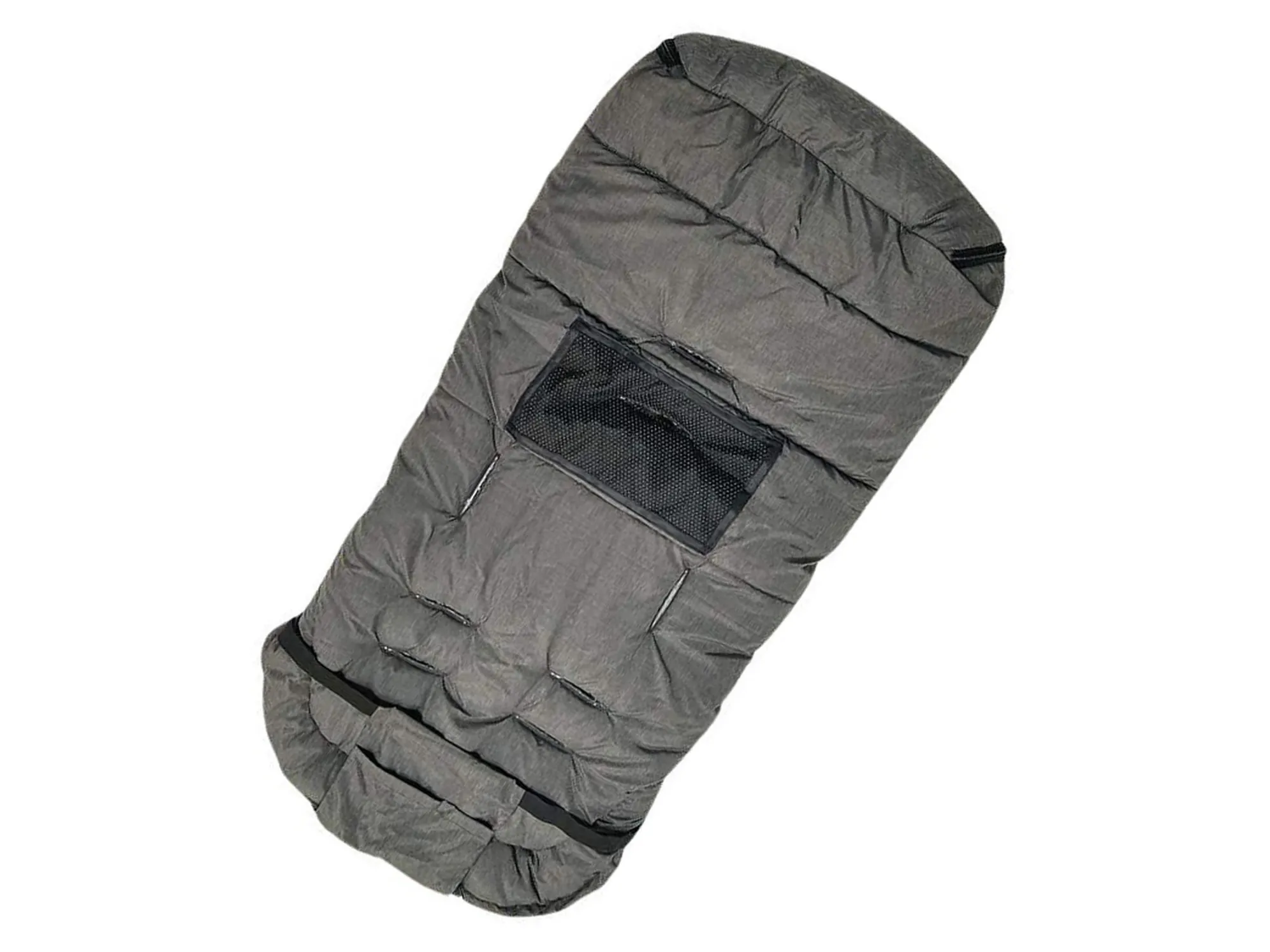
KSL03 — 100×48 cm for small children, waterproof 190T polyester shell with a soft coral velvet lining.
The sizing rule to pass on to your customers: measure the child, then pick the smallest bag the child fits in comfortably, with a little room to grow. A bag should fit the child, not the age on the label — children of the same age vary a lot in height. Browse the full kids’ sleeping bag range.
Warmth — children feel the cold differently, so read the rating
Children lose body heat faster than adults for their size, and they are less likely to tell you they are cold until they are already uncomfortable. That makes the temperature rating more important, not less, for a kids’ bag.
Our kids’ bags carry the same Comfort / Limit / Extreme ratings as our adult range, tested to EN ISO 23537-1:2022, so you can compare them on equal terms. KSL03 is rated 25 / 20 / 15 °C — a mild-weather bag for summer camping, sleepovers and indoor use. KSL02 is rated 20 / 15 / 10 °C — the warmer option for spring and autumn trips. Read the Comfort figure first: that is the temperature at which a child should sleep comfortably, and it is the number to quote to your customers. If you are unsure how the ratings work, see our guide to sleeping bag temperature ratings.
Two points worth telling parents: a child who is too warm will kick the bag off and wake up cold, so do not over-buy warmth for summer use — match the rating to the season. And a bag that is far too big for the child will feel colder than its rating suggests, because the child’s body has to warm a larger pocket of air. Size and warmth work together.
Safety and comfort details to check before you order
A kids’ sleeping bag gets harder use than an adult bag — it is dragged across the ground, zipped a hundred times, and washed more often. Before you place an order, check these points on the sample:
- The lining is what the child feels. Children are far more sensitive to scratchy fabric than adults. Our kids’ models use polycotton (KSL02) or 260 g/m² coral velvet (KSL03, KSL04) linings specifically for a soft feel against the skin. If your customers complain about polyester feeling “plasticky”, steer them to the polycotton or coral velvet models.
- The zip runs smoothly and does not snag. A snagging zip is the most common complaint on kids’ bags, and a child who cannot open their own bag at night will wake a parent. Check the zip on the sample — open and close it several times, and check it does not catch the lining.
- The shell handles damp ground. Kids sleep closer to the tent floor than adults do. KSL03 has a waterproof 190T polyester shell, and KSL04 has a waterproof-coated cationic blend shell, so a damp groundsheet is less of a problem. For family camping lines, a waterproof shell is worth having on the kids’ bag even when the adult bag in the same order has a lighter shell.
- Weight matters for small shoulders. KSL04 is 640 g and KSL03 is 740 g — light enough for a child to carry in their own pack. KSL02, at 1,200 g, is heavier because it is a bigger, warmer bag; it is still well within what an older child can carry. Keep the weight on your shelf label — parents do check it.
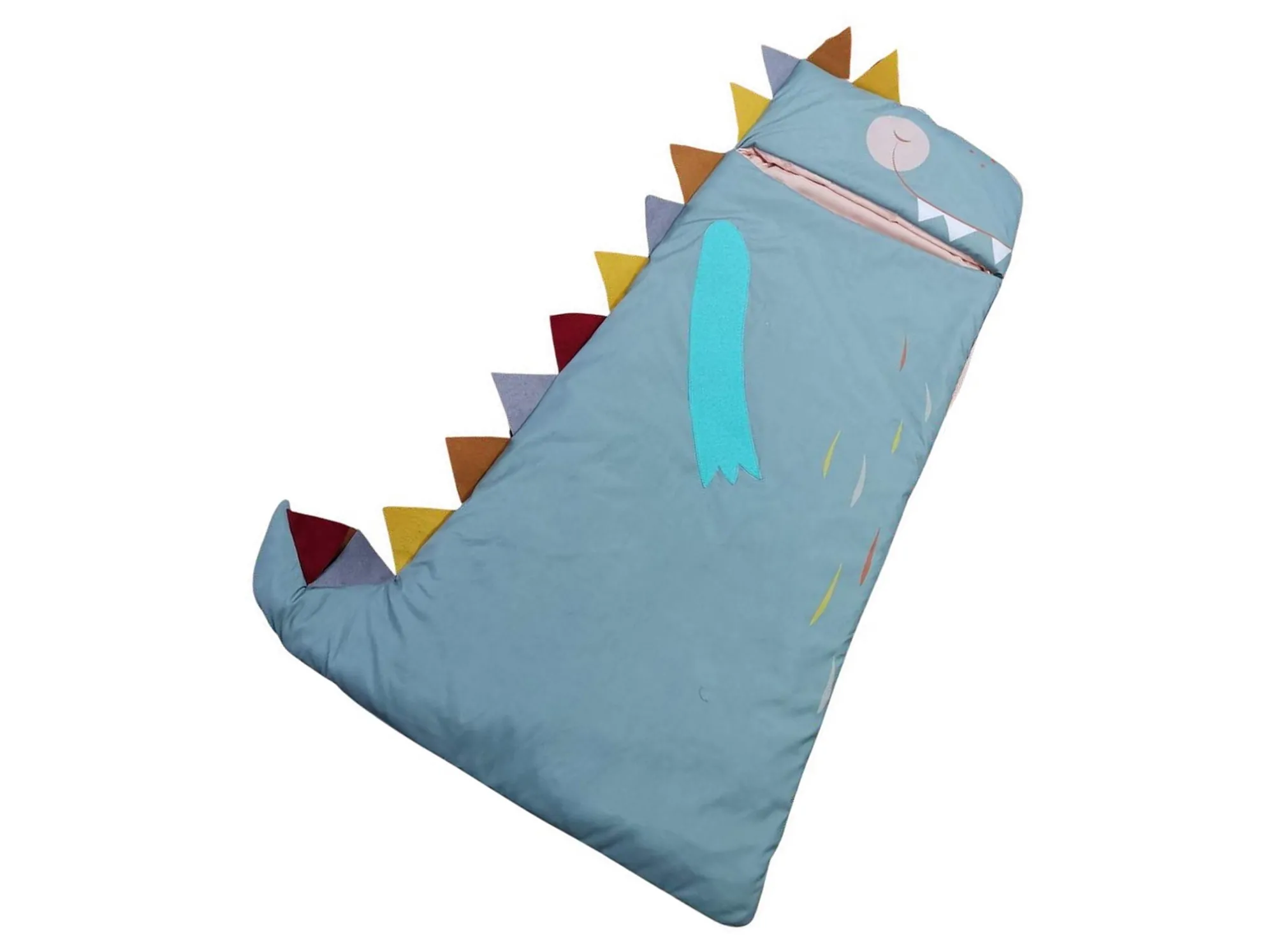
KSL02 — (140+30)×70 cm for older children, polycotton shell and lining with a hollow cotton filling, rated 20 / 15 / 10 °C.
Stock kids’ bags by size, not by age: carry the infant (KSL04), small-child (KSL03) and older-child (KSL02/KSL01) sizes, and let your customers choose by height. Browse the kids’ sleeping bag range.
A quick size guide for your sales team
Model | Size | Weight | Temperature (Comfort / Limit / Extreme) | Best for |
|---|---|---|---|---|
KSL04 | 75×45 cm | 640 g | — | Infants and toddlers; soft coral velvet lining |
KSL03 | 100×48 cm | 740 g | 25 / 20 / 15 °C | Small children; mild weather, sleepovers |
KSL01 | (140+30)×70 cm | 900 g | — | Older children; light warm-weather option |
KSL02 | (140+30)×70 cm | 1,200 g | 20 / 15 / 10 °C | Older children; spring and autumn camping |
All of our sleeping bags are tested to EN ISO 23537-1:2022, and every model can be customised with your logo, colours and packaging. Samples are ready in 7 days and bulk lead time is 45–50 days, with quality checked by our long-term third-party QC partner. For general sizing principles, see our guide to how to choose a sleeping bag size.
Q1: What size kids’ sleeping bag should I stock for a retail range?
Stock three sizes rather than one: an infant size (KSL04, 75×45 cm), a small-child size (KSL03, 100×48 cm) and an older-child size (KSL02 or KSL01, (140+30)×70 cm). A single “kids” size fits almost nobody well — too long for small children, too short for older ones. Let customers choose by the child’s height, not by age.
Q2: Which temperature rating should I recommend for a child’s first camping trip?
Start with the Comfort figure, not the Extreme figure. KSL03 (25 / 20 / 15 °C) suits summer and indoor use; KSL02 (20 / 15 / 10 °C) suits spring and autumn. For a child’s first trip, recommend the warmer of the two options for the season — children lose heat faster than adults, and a cold night is what puts a family off camping.
Q3: Can we get kids’ sleeping bags with our own logo and colours?
Yes — custom logo, colours and packaging are available on all kids’ models, just as on our adult range. Tell us the model and the age range you sell to, and contact us for a quotation. We recommend confirming the size and lining with a sample first — samples are ready in 7 days.
Next step
Kids’ sleeping bags sell on trust: parents buy the bag that fits their child and feels soft enough to sleep in. Pick the three sizes that cover your market — KSL04, KSL03 and KSL02 — then check them against your season. Browse the kids’ sleeping bag range, or contact us with your target ages and markets and we will recommend models and send you a quotation.